Meet the Author
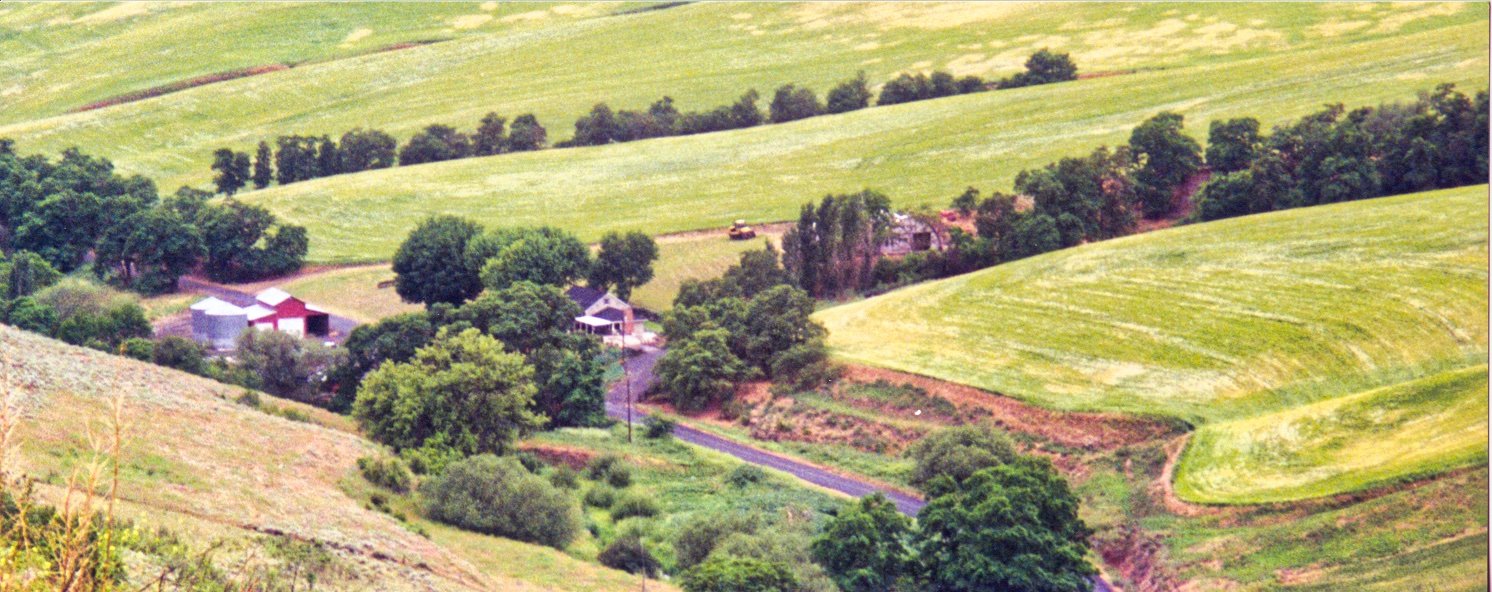

John Aune Farms • Penawawa, Washington
On December 26, 1989 a physician told a sixteen-year-old boy from eastern Washington state that he had Hodgkin’s lymphoma. The boy was me. I had been carrying a lump in my neck for over a year, seen multiple doctors, and gone undiagnosed. That gap between symptom and answer was the first lesson, though I would not understand it for another three decades.
What followed was ten months of chemotherapy (eight cycles alternating between two regimens harsh enough that I stopped weighing myself when the numbers became too depressing to track) and 45 Gray of radiation to my chest and abdomen. I lost somewhere between sixty-five and seventy pounds. I lost my hair. I lost a year of school. I lay in bed some days wondering if I would make it, and then one day, the treatment was over, and I did.
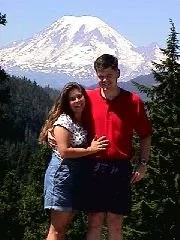
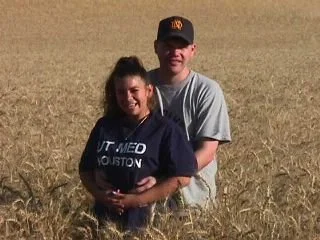
I was told I was cured. Nobody told me what that word was going to cost me.
———
I became a physician because of what happened in that hospital room. Not to relive it but to understand it and eventually to change what happens to the people who come after me. That conviction carried me through a dual MD/PhD program at the University of Texas Health Science Center in Houston, through research years in the Laboratory of Molecular Pharmacology at the National Cancer Institute in Bethesda, through pediatrics residency at Johns Hopkins, and into a fellowship in pediatric hematology and oncology back in San Antonio, a city I had followed my wife Christine to because she was an Army physician and the Army had decided that was where we were going. We had two sets of twins. The oldest were five. The youngest were five months old.
During the first month of that fellowship, I went into the hospital for shortness of breath I had been blaming on the schedule; busy residency, four children under five, and the particular exhaustion of being thirty-five. The workup told a different story. The radiation that had saved my life at sixteen had spent the intervening nineteen years quietly damaging my heart.
I remember vividly the meeting we had with the cardiothoracic surgeon prior to surgery. “You never had a normal life expectancy,” he said it matter-of-factly, the way surgeons do when they have moved past the part where they are breaking news and into the part where they are stating clinical reality. I received it with the outward composure of a physician and the inner fury of a patient. Christine, who was in the room, said: “He was just being honest with you.”
She was right. And that honesty clarified something I had spent nineteen years getting wrong. I had been measuring my life against a version of itself that no longer existed as I always was trying to return to the person I was before the treatments that had, in saving my life, permanently altered it. The surgeon’s words ended that grief. What I had was not a diminished life. It was a different one. Purposeful, extraordinary in its way, and mine.
———
I have spent the years since building something from that understanding. As the Stephanie Edlund Distinguished Professor in Pediatric Cancer Research at UT Health San Antonio, my laboratory works to uncover the molecular mechanisms by which chemotherapy damages the heart, so that the next generation of survivors does not arrive at thirty-five, or fifty-three, to the same surprise I did. As a clinician, I see childhood cancer survivors in our survivorship clinic and watch, week after week, the consequences of treatments that were worth giving but whose long-term costs were never fully reckoned with. As an advocate, I have served two terms on the National Cancer Institute’s Council of Research Advocates, and worked to advance legislation that names survivorship care as the obligation it is.
In March 2024, I underwent my second open-heart surgery, twelve hours in Chicago, replacing both heart valves and completing two additional bypasses, in a chest reorganized by four decades of compensatory physiology and the scarring left by 1990 radiation. The surgery clarified everything it needed to clarify. The time for this work is now.
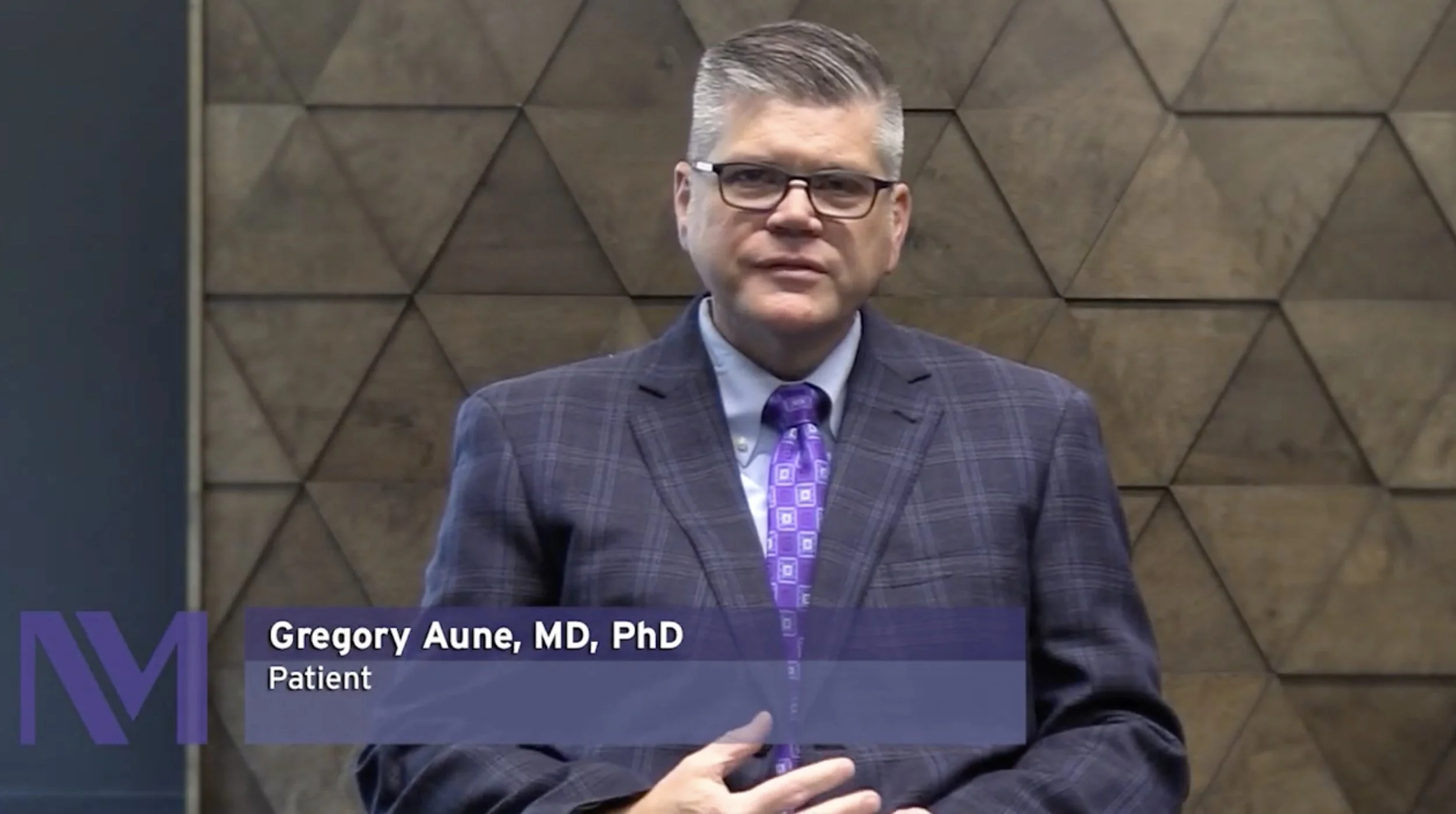
Commando Procedure Treats Radiation-Associated Heart Disease: Gregory’s Story
———
I am writing a book , The Fourth Season, because the question that has organized my entire career deserves a full answer: What do we owe the people we save? It is a book about survivorship medicine in America, about the system that is not built for the eighteen million people it has cured, and about what needs to change. It is also, inescapably, a book about one particular survivor who became a physician, a scientist, and an advocate, and who has spent thirty-seven years learning that cure and recovery are not the same thing.
I am the patient in this story. I am also one of the people working to change the survivorship narrative
Gregory J. Aune, MD, PhD, is a pediatric oncologist, survivorship researcher, childhood cancer advocate, and 37-year survivor of Hodgkin’s lymphoma. He holds the Stephanie Edlund Distinguished Professorship in Pediatric Cancer Research at UT Health San Antonio. He lives in San Antonio with his wife Christine and their four children.